
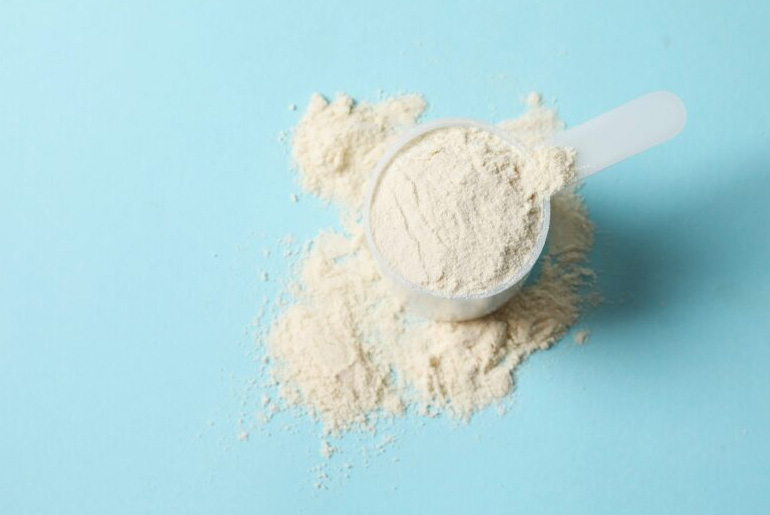
Popular protein drinks and powders have been shown to contain high levels of lead, which is concerning. As a result, experts advise consuming them less frequently. Popular protein drinks and powders are becoming more and more contaminated with heavy metals, according to Consumer Reports tests, which also revealed high amounts of lead in several well-known brands. According to the paper, recent testing of 23 protein powders and ready-to-drink shakes from well-known companies revealed that heavy metal contamination has increased in protein products, which raises concerns that the hazards are rising in tandem with the sector. Lead levels in almost all of the tested plant-based products were increased; in fact, two of them had levels so high that Consumer Reports advises against using them at all.
Lead levels in protein powders are high
Researchers examined various popular protein powders and ready-to-drink protein shakes for heavy metals, including lead, as part of a recent Consumer Reports inquiry. According to the findings, which were published on October 14, some protein powders may have lead levels so high that the scientists recommend avoiding or consuming them in moderation.
Sana Mujahid, Ph.D., manager of food safety research and testing at Consumer Reports, told TODAY.com that protein powders have grown in popularity during the 2000s. They have changed from being a technique used by bodybuilders to increase muscle building to becoming a universal wellness fad.
More than two-thirds of the 23 protein powders and shakes that the organization analyzed had a single serving that included more lead than what the food safety experts at Consumer Reports considered acceptable to ingest in a day, often more than ten times the limit, according to the research. “Even those with the highest lead levels are far below the concentration needed to cause harm, and many of these powders are fine to have occasionally,” the report stated.
What did Consumer Reports discover when they looked into protein powders?
Protein supplements, such as powders and ready-to-drink shakes, are frequently marketed as easy ways to reach daily dietary targets. Convenience does not, however, equate to safety; these products may pose health risks, environmental impacts, and contamination hazards.
More than two-thirds of tested protein products had a single serving of lead that was more than ten times what safety experts deem safe for daily consumption, according to a recent Consumer Reports investigation. Plant-based proteins, especially those based on pea protein, typically have higher amounts of lead than their animal-based counterparts; however, there were few exceptions. The lowest lead levels were found in dairy-based proteins, although half of them still had enough contamination for specialists to advise against using them on a daily basis.
The environment in which the protein is produced is a major factor in the contamination source. Peas and other plants naturally take up pollutants and nutrients from the air, water, and soil. Natural sources of heavy metals include the earth’s crust, whereas man-made sources include pesticide use, industrial pollution, road dust, and wastewater irrigation. Usually, tainted feed, soil, water, or air allows heavy metals to enter the food chain in animals.
Consumer Reports examined 23 protein supplements for heavy metals like lead, arsenic, and cadmium. The supplements included powders made from dairy, meat, and plants as well as ready-to-drink smoothies. We acquired several samples of each product from various merchants over a three-month period. The main issue was lead, as around 70% of goods contained more than 120% of the daily limit of 0.5 micrograms. Additionally, three goods had amounts of the dangerous elements known to cause cancer, inorganic arsenic, and cadmium beyond permissible limits.
These results are especially concerning because even prolonged, low-level exposure to lead can impair a child’s or infant’s neurological development. Long-term exposure in adults can lead to reproductive disorders, renal problems, nerve damage, and high blood pressure. Elevated levels of cadmium and arsenic are associated with a higher risk of developing cancer at any age.
Disclaimer:
The information contained in this article is for educational and informational purposes only and is not intended as a health advice. We would ask you to consult a qualified professional or medical expert to gain additional knowledge before you choose to consume any product or perform any exercise.