
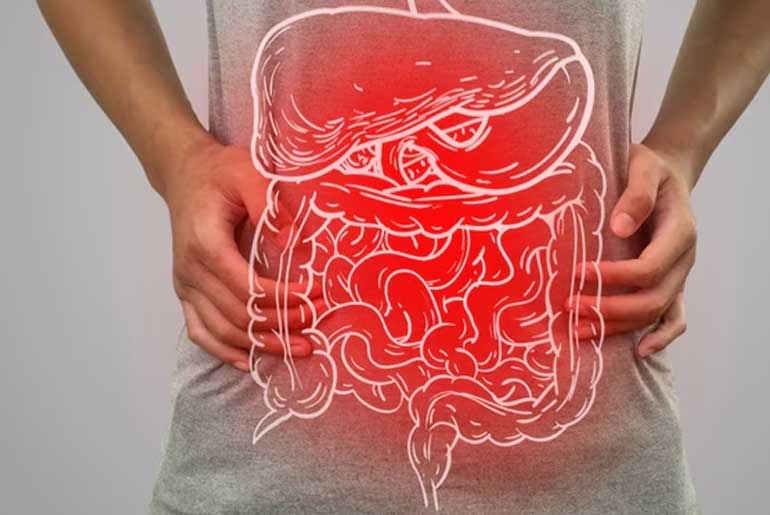
With good reason, the gut is one of the main topics of discussion in the wellness community, if not the center. It is clear that the gut’s roles in digesting, nutrition absorption, and gut microbiome balance are critical to general health given its relationship to the brain and immunity through the gut-brain and gut-immunity axes.
This link was also corroborated by Dr. Sukhvinder Singh Saggu, Director of Minimal Access, GI & Bariatric Surgery at the CK Birla Hospital in Delhi, who told HT Lifestyle that gut functions are directly linked to liver health. In particular, gut bacteria play a significant role in inflammation, liver function, and other aspects of life.
The gut-liver axis: what is it?
The gut-liver axis uses immunological signaling and blood flow to link your liver and digestive tract. Dr. Saggu explained how gut bacteria affect liver health and can cause liver-related illnesses like hepatitis. “What you eat affects gut bacteria, which in turn influences liver health, and inflammation in the gut can travel to the liver, worsening liver diseases like hepatitis.
Your diet damages your liver and stomach
Through digestion and nutrient absorption, the food you eat has an impact on your gut. Therefore, any item that interferes with these digestive processes can likewise impair liver functioning.
Dr. Saggu emphasized how crucial food is to preserving a balanced gut flora. The gut microbiota is disrupted by diets heavy in processed foods, sweets, saturated fats, and alcohol, he noted. The intestinal lining is weakened by this imbalance, which is referred to as gut dysbiosis. Toxins, germs, and inflammatory chemicals can enter the bloodstream and travel to the liver when its lining is damaged.
Therefore, the harm caused by poor dietary choices is not limited to the gut; it can also exacerbate liver diseases. One such intestinal disorder that impacts the liver is leaky gut.
“This ‘leaky gut’ phenomenon can accelerate fibrosis or scarring and cause liver inflammation, which is particularly dangerous for those with hepatitis B or C,” Dr. Saggu warned.
How should you eat to maintain the health of your liver and gut?
Because of the reciprocal relationship between the stomach and liver, maintaining the health of both organs depends on your food. Dr. Saggu emphasized that a diet heavy in fiber, antioxidants, and good fats can effectively lower liver stress and restore intestinal homeostasis.
The following foods were recommended by Dr. Saggu:
• Incorporate foods high in omega-3, such as fatty fish, as well as fruits, vegetables, whole grains, legumes, nuts, and seeds.
• A better gut microbiome is supported by probiotic foods (such as yoghurt, kefir, kimchi, and sauerkraut) and prebiotic foods (such as garlic, onions, and bananas).
According to Dr. Saggu, these meals also have a special benefit for liver health since they lower the risk of systemic inflammation and prevent dangerous compounds from entering the liver.
Why is it important for hepatitis sufferers to follow a gut-friendly diet?
The inflammatory condition known as hepatitis affects the liver. According to Dr. Saggu, a gut-friendly diet is advantageous for a patient with hepatitis B or C because it enhances immune function, improves responsiveness to treatment, and slows the progression of liver damage.
Disclaimer:
The information contained in this article is for educational and informational purposes only and is not intended as a health advice. We would ask you to consult a qualified professional or medical expert to gain additional knowledge before you choose to consume any product or perform any exercise.