
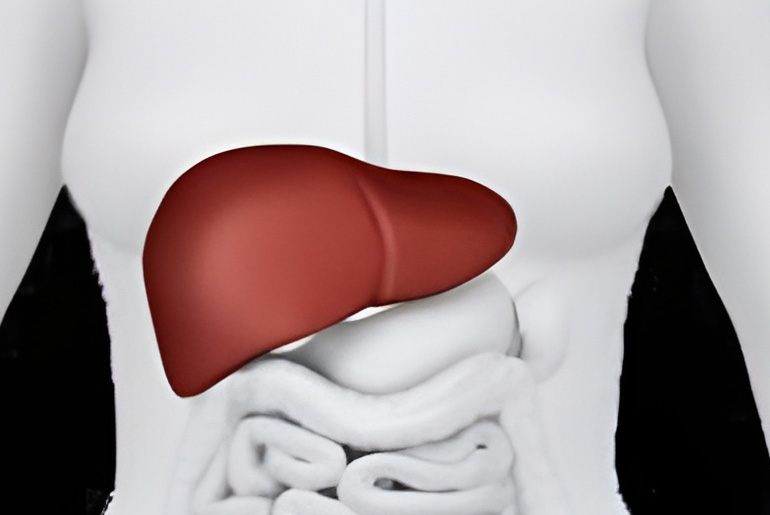
Gastroenterologist Dr. Joseph Salhab posted on Instagram to draw attention to a worrying trend: a rise in liver failure diagnoses among people aged 25 to 35, a group that is not usually linked to such advanced liver disease. In order to stop liver damage from getting worse, he advocated for proactive liver health management, which includes minimizing toxin consumption and getting frequent checkups.
“At least once or twice a year, have your liver examined.”
Dr. Salhab claims that the main cause of this change is alcohol use, which can result in incurable cirrhosis that frequently necessitates a liver transplant—a process made more difficult by the limited supply of donor organs. “Liver doctors just got delivered an alarming statistic, which is that we’re seeing more patients with liver failure in young adults aged 25 to 35,” he stated in the video of the post he labeled “Alarming statistic – more liver failure in young adults.”
“You would typically see alcoholic cirrhosis and liver disease in older adults,” he continued. Younger folks are increasingly exhibiting it far more frequently. Furthermore, liver cirrhosis is nearly irreversible once it develops and typically requires a liver transplant. Furthermore, livers are extremely rare. That’s the last thing you want to happen. Alcohol consumption is the most frequent cause of this. Thus, be sure to maintain the health of your liver. Keep an eye on what you eat at all times. Steer clear of any pollutants that could harm your liver directly. Additionally, make sure you have a liver examination at least once or twice a year.
Abuse of alcohol is one of the main causes.
“Liver cirrhosis is showing up more in people as young as 25 to 35,” Dr. Salhab captioned his photo. Although it’s not the only factor, alcohol consumption is one of the main causes. Acetaldehyde and other toxic byproducts from heavy and binge drinking flood the liver, causing inflammation and direct damage to liver cells. The liver attempts self-healing over time, but recurrent damage causes healthy cells to be replaced by scar tissue. In as little as 8 to 10 years of continuous misuse, severe liver damage can develop in many heavy drinkers; this can occasionally happen more quickly if poor nutrition or other health problems are present.
“One of the fastest-growing causes of cirrhosis in young adults is non-alcoholic fatty liver disease, which is frequently associated with diet and lifestyle choices,” he continued. Diets that are poor in dietary fiber and high in sugar, harmful fats, and ultra-processed meals encourage the accumulation of fat in the liver. Sedentary lifestyles, obesity, elevated cholesterol, and the growing prevalence of type 2 diabetes combine to provide the ideal environment for chronic liver damage. Up until it’s too late, this gradual burn of inflammation and scarring may go unnoticed for years.
“The scary part?” the doctor concluded. Cirrhosis used to be a condition that only affected people in their middle years. It is currently spreading to younger and younger populations due to a combination of metabolic illness, poor diet, and heavy alcohol consumption. Damage accumulates silently until it reaches a breaking point because your liver lacks pain nerves. The damage is frequently irreparable by the time symptoms like jaundice, edema, or confusion show up. You have a better chance of avoiding this completely preventable condition the earlier you reduce your alcohol use, improve your diet, and increase your physical activity.
Disclaimer:
The information contained in this article is for educational and informational purposes only and is not intended as a health advice. We would ask you to consult a qualified professional or medical expert to gain additional knowledge before you choose to consume any product or perform any exercise.