
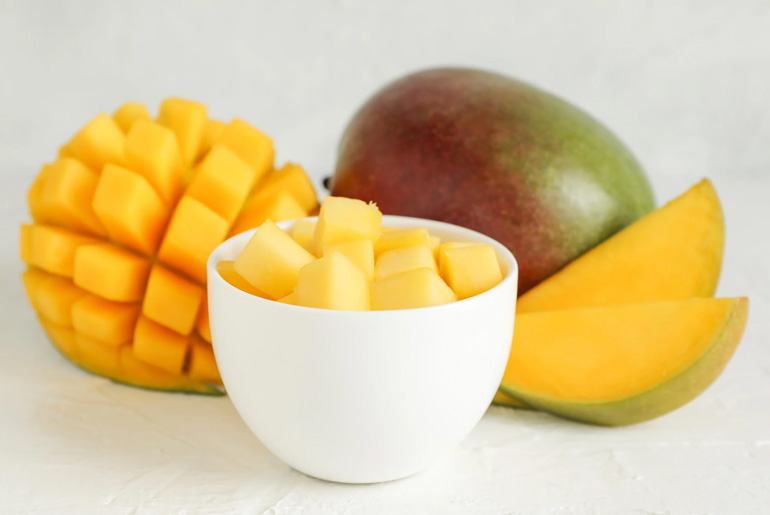
A naturally sweet fruit is the mango. It is typically recommended that diabetics stay away from it due to its flavorful, tropical sweetness, which can cause blood sugar levels to surge. As with many other foods, however, how you eat it makes a difference.
Mangos are beneficial to persons with type 2 diabetes, according to a study published in the National Library of Medicine journal, so they might not be completely off-limits. Additionally, weight loss and a smaller waist were promised. Doesn’t it sound unbelievable? The unexpected results of the study provide insight into how the mango, which is typically considered a “forbidden fruit,” might help regulate blood sugar levels when consumed properly.
What did the research uncover?
It was the goal of the study to find out if the fruit that diabetics dread the most may be incorporated into a diet without raising blood sugar levels. Over eight weeks, common Indian mango cultivars such as Safeda and Dasheri were analyzed.
One hundred and fifty grams were added to breakfast each day in lieu of bread. Over time, this assisted in lowering blood sugar, improving glycemic control, and decreasing waist circumference and weight. Additionally, it was beneficial for heart health since those who ate mango instead of bread had higher levels of HDL-C, or good cholesterol.
What is meant by it?
This illustrates that even those with diabetes may consume mangos, a fruit that is demonized for being naturally sweet. It’s important to make sure that quantities are limited, as the participants were given 250 grams, and to replace refined carbohydrates like white bread. There is a chance of a blood sugar surge if mango is included in a meal that is already heavy in calories and carbohydrates. But you may easily add mango if you follow a low-carb diet.
Disclaimer:
The information contained in this article is for educational and informational purposes only and is not intended as a health advice. We would ask you to consult a qualified professional or medical expert to gain additional knowledge before you choose to consume any product or perform any exercise.